Greek Mythology Names: A Worldbuilder's Naming Toolkit
Summary
Greek mythology names work in games and fiction because each one compresses a meaning: Prometheus is forethought, Nike is victory, Eris is strife. This guide shows worldbuilders which names to borrow, which famous ones to skip, how epithets and theophoric naming add depth, and exactly how to test a name inside a generated-world prompt before it becomes lore, so the names you pick do real work.
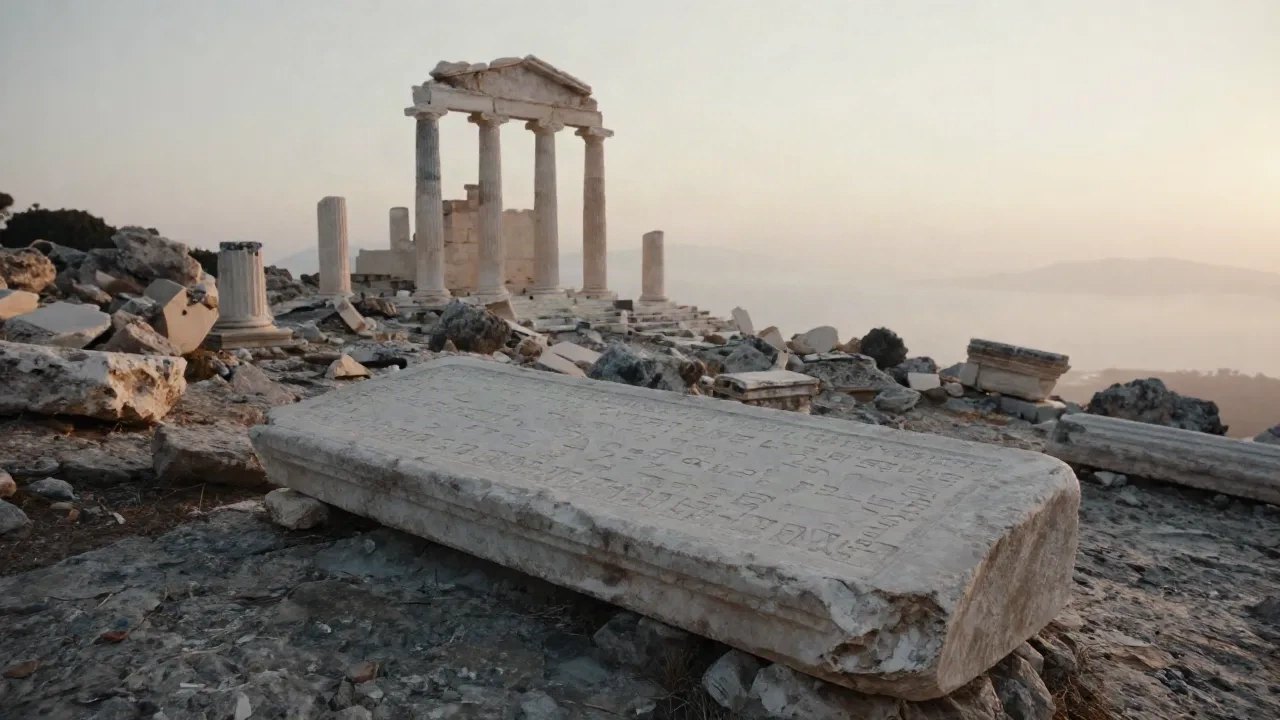
Greek mythology names work in fiction and games for one reason: almost every one of them is a tiny description. Prometheus means forethought. Nike means victory. Eris means strife. Pick them for what they say, not for how they sound, and a character or a place arrives with its job already attached.
Here is how to use Greek mythology names as a worldbuilding tool: how they are built, which to borrow, which to skip, and how to test them before they cost you a week of lore.
Why do Greek mythology names stick when invented ones don't?
Because they are compressed meaning. Take the Titan Atlas, usually glossed as "enduring". Or Mnemosyne, memory, mother of the Muses. You don't need a lore page to know what role they play.
Most invented fantasy names have the opposite problem. They sound right and say nothing. "Kaelthor Vash" is a mood, not a person. A Greek-style name gives you the mood and the function in one word.
Greek naming also comes with a free grammar. Masculine names often end in -os, -on or -eus. Feminine ones often end in -a, -e or -o. Once you notice the pattern you can invent names that feel native instead of pasted on. For a full reference list, the Behind the Name database of Greek mythology names is the one I keep open in a tab.
Skip the baby-name listicles that dominate this search. They rank names by how they look on a birth certificate. A designer needs the opposite: what does this name do to a player on first read?
Which names carry their meaning on their face?
The cleanest group is the abstractions the Greeks personified. They are short, readable, and instantly usable as faction names, items or districts.
Nike: victory. A guild of duelists, a trophy system, a racing league.
Eris: strife. Perfect for a rival faction that thrives on chaos.
Nemesis: the due share, retribution. A boss that adapts to how you play.
Hypnos and Thanatos: sleep and death, brothers. A quest line about a town that cannot wake up.
Eos, Helios, Selene: dawn, sun, moon. A day-night cycle with three named phases.
Mnemosyne: memory. A save system with a face.
The second group is the Titans and primordials: Gaia, Ouranos, Pontus, Hyperion. These work as the old names of a world, the ones the current inhabitants no longer use. If your setting has layers of history, a Titan-style name belongs to the oldest layer.
Then there are the names scholars still argue about. Athena, Apollo and Hermes have uncertain origins, and some of them may predate Greek itself. That is useful for you too: a name nobody can fully explain makes a god feel older than the language people use to talk about them.
What can you steal from the way the Greeks named people?
The best trick is not borrowing a god's name. It is borrowing the system.
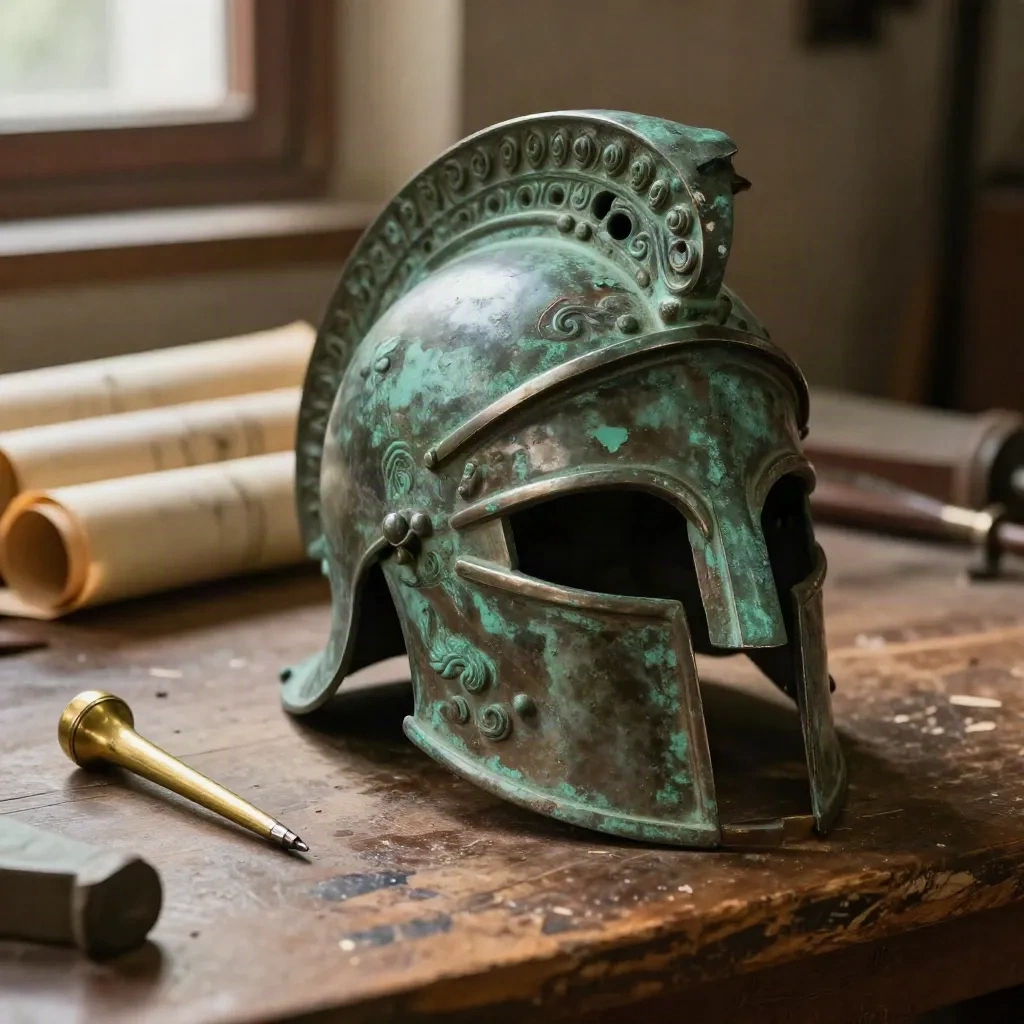
Epithets. Homer never says "Athena" when he can say "grey-eyed Athena". Achilles is swift-footed. Dawn has rosy fingers. An epithet is a repeatable tag that tells the reader what to see, and it survives translation better than a plain name. Give every major NPC one, and players will start quoting them back to you.
Theophoric names. Real Greeks were named after gods. Demetrios is a follower of Demeter. Diodoros is a gift of Zeus. In a setting with active religion, this is gold: a character's name tells you which god their parents were hoping to please, and which temple they will refuse to enter.
Names that argue with their owner. In the Odyssey, Odysseus is named by his grandfather in a moment of anger, and the text plays on a Greek verb for being angry or hated. The Odysseus entry on Wikipedia lays out the wordplay. The lesson is that a name can be a prophecy, a burden or a joke on the person carrying it.
Prometheus and Epimetheus are the cleanest design example. Forethought and afterthought, two brothers, one clever and one doomed to regret. You can build an entire pair of rivals from that single contrast.
When should you skip the famous names?
Skip Zeus, Poseidon and Hades for your own gods. They carry too much baggage, and a player who meets "Zeus" will import a thousand memes before your world has said a word. The big Olympians work as references, not as inventory.
Skip direct reuse of heroes too. A hero named Achilles who is also swift, angry and vulnerable in the heel is not a homage, it is a costume.
Skip the Greek-flavored name that is not actually Greek. "Aethros", "Zephyrion" and "Kalydon" look plausible, but half of them are nonsense once someone who reads Greek sees them. If you want invented names, invent them from real roots: take a word like phos (light) or thalassa (sea) and build the name from that, so that a curious reader can decode it.
Pick one spelling and keep it. Greek names reach English through Latin, so you get Heracles and Hercules, Odysseus and Ulysses, Hermes and Mercury. Players read the Latin forms as Roman and the Greek forms as Greek, and a setting that mixes them looks careless. Decide early which register you want, write it in the naming bible, and stick to it across every locale you ship.
Watch the sound, not just the meaning. Some Greek names are a mouthful on a headset. If your game has voice chat or streamers, say each name out loud three times fast. If a streamer will stumble on it, the clip will be about the stumble, not the world.
How do you build a naming bible in one evening?
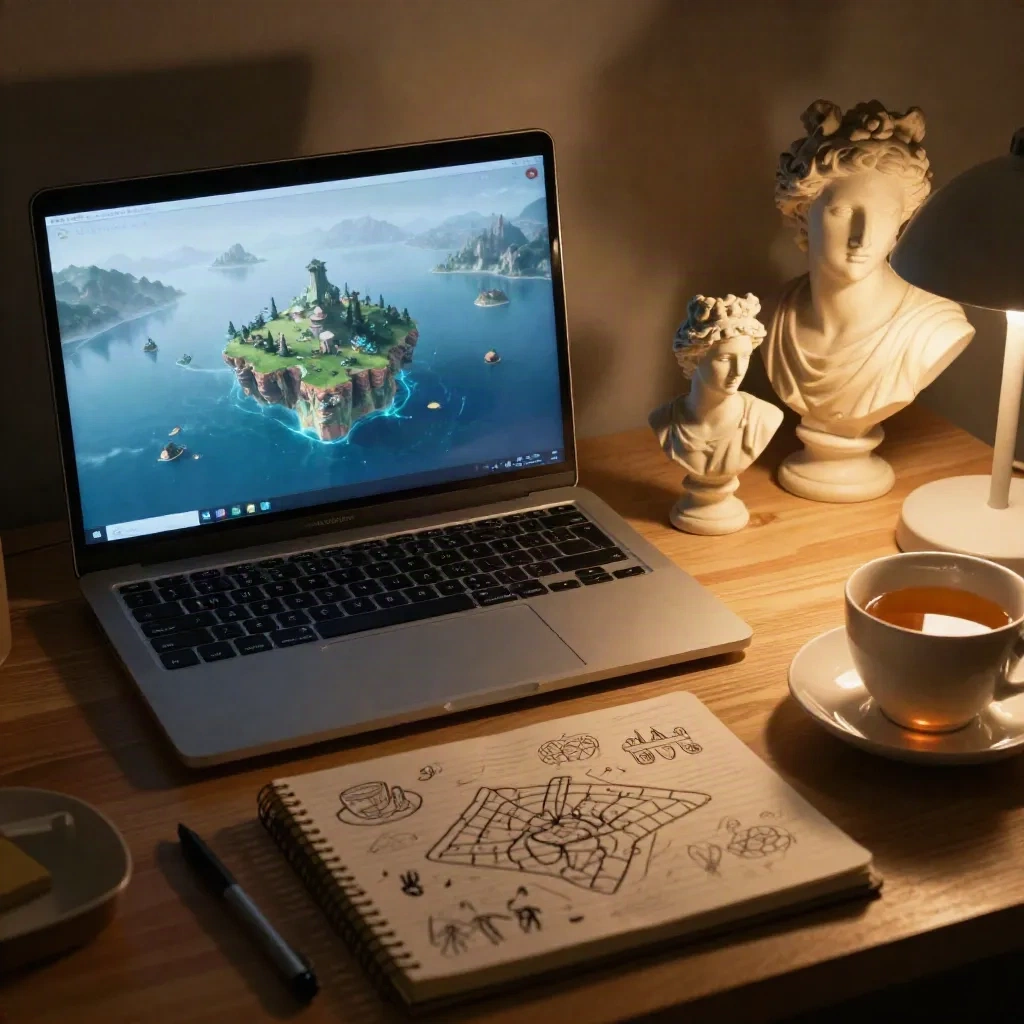
You don't need a spreadsheet the size of the Iliad. You need three columns and the discipline to fill them honestly.
Function: what the thing does in the world (a harbor, a rival, a curse).
Root word: the Greek concept behind it (sea, strife, memory).
Epithet: the one phrase that gets repeated every time it appears.
Fill ten rows and read them aloud. If two names share a first letter or the same rhythm, change one. Players skim, and similar names blur into one.
If you write long-form, a codex tool helps here because the names and their meanings stay linked to scenes. Novelcrafter's codex is built around that idea, and it is a decent place to keep a naming bible that you can search later.
What changes when the world is generated instead of written?
Naming matters more, not less. When a world is generated from a prompt, the names in your prompt steer the whole result. Ask for "a harbor town" and you get a harbor town. Ask for a harbor town named after Nemesis, where every shopkeeper owes someone a debt, and the generator has something to hold on to.
Here is a prompt I would actually paste into AuxWorld:
a harbor city called Nemesia, where every dock has a ledger of debts,
the lighthouse keeper is "grey-eyed Calista", and the festival of Eos
begins when the first ship returns at dawn
A world like that comes back in about 30 seconds, and then the fun starts: fork it, change one thing, see what happens. Swap Eos for Hypnos and the festival becomes a night in which the whole harbor sleeps through the tide. Same layout, different story. That is the point of a fork.
The same logic applies to NPCs. If you give a character a name with a built-in function and an epithet, a conversational NPC engine has a strong hook for personality. Tools like Inworld AI are aimed at exactly this problem: giving characters a voice that stays consistent in dialogue. A name like "Thanatos the Quiet" is a better seed than "Guard 04".
Test before you commit. Three failures show up again and again when a name goes into a prompt.
Too famous. A prompt with "Athena" tends to return owls, helmets and columns. That is the cliché, not your world.
Too obscure. A rare name with no context gives the generator nothing, so it fills the gap with whatever is closest.
Too many at once. Five named gods in one prompt flatten into a pantheon with no hierarchy. Name two, describe the rest.
A quick fix for all three: pair the name with one concrete visual or rule. "Nemesia, a city where debts are carved into the quay stones" beats "Nemesia" every time.
Can AI help you name things without flattening them?
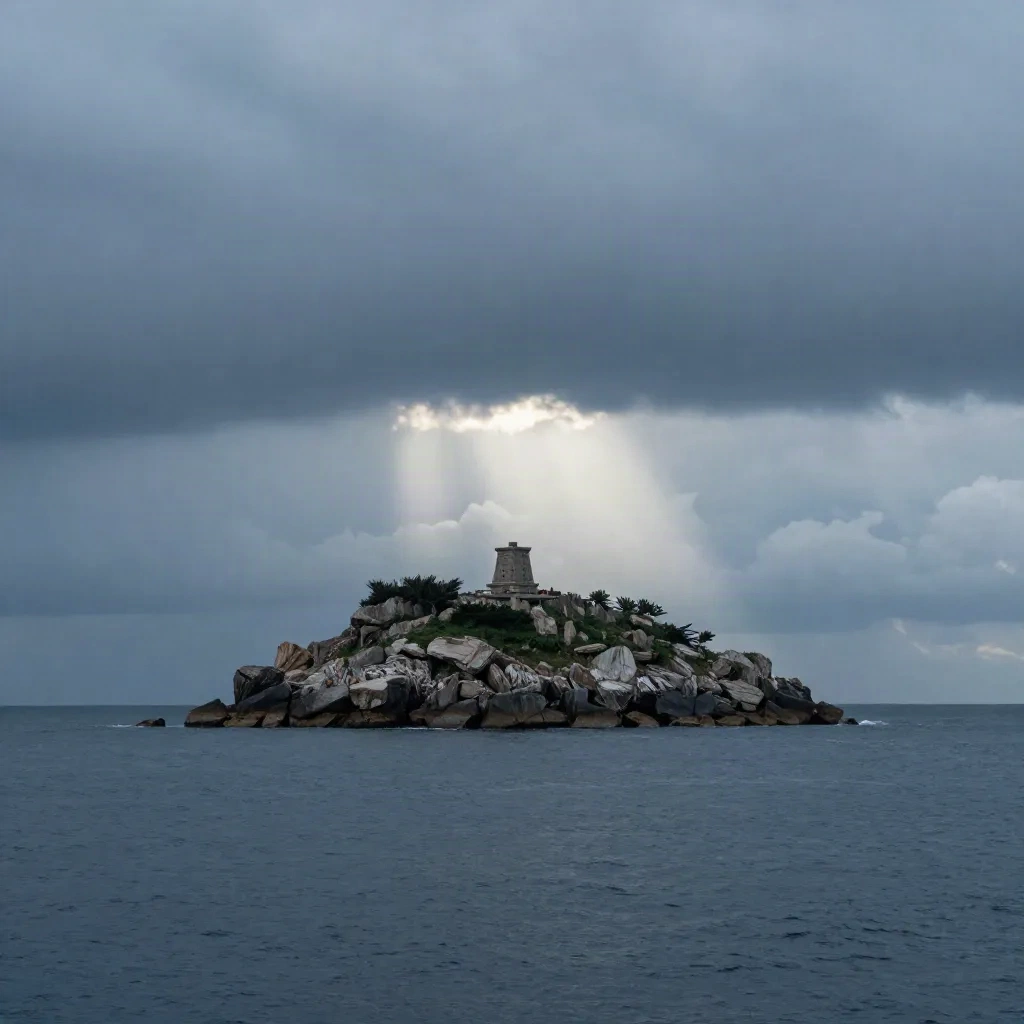
It can, if you ask it to work from roots and not from vibes. A writing model is good at proposing ten names derived from thalassa, pyr or nyx, and bad at knowing which one your story needs. You still choose.
NovelAI and similar story tools are useful for this kind of brainstorming because they stay inside your lore once you feed it in. Ask for names, then check each one against the meaning you want. If a name means something embarrassing in Greek, you want to find out in the draft, not in the comments.
One rule I keep: never let the tool name your central character. Let it name the harbor, the ferryman, the minor god of a single hill. Keep the one name your story hangs on for yourself.
What would we actually name first?
Start with the thing the player touches most. If your game has a currency, name it. If it has one recurring location, name it. Use a Greek root, give it an epithet, and test it in a prompt.
Then write the one line that explains it to a stranger. If you cannot, the name is decoration. If you can, you have a piece of the world that will outlive the first draft.
Open a new prompt tonight, name one harbor, and see what the water looks like.